Unified Room Aesthetics

Perfect Sightlines for Every Seat

Hidden Technology

The Primary Listening Position (PLP)
Visual Field Calculation
The Acoustic Mirror Point
Speaker Decoupling & Aiming
Subwoofer Pressure Mapping
Thermal & Aesthetic Integration
Set The Mood
These fixtures provide the "base" layer of light for the room and are usually the first things you turn on when entering.
- LED Cove Lighting: Hidden in ceiling recesses or "trays," these strips wash the ceiling with soft, indirect light to create a floating effect.
- Recessed Downlights (Pinhole): Unlike standard "can" lights, luxury theaters use high-CRI pinhole fixtures that disappear into the ceiling and provide discrete pools of light without glare.
- Sconces: Mounted on the side walls, these add a touch of classic cinema elegance and help define the perimeter of the room.
Safety is paramount in a dark room with tiered seating. These fixtures are usually low-voltage and stay on (dimmed) even during the movie.
- Step Lights: Integrated into the side of the stairs or the risers to prevent trips and falls in the dark.
- Path/Aisle Lighting: LED tape lighting pre-installed into the "nosing" of the floor to provide a subtle glow along the walking path.
- Backlit Poster Boxes: Used in the entryway or back of the room to display movie art while providing a soft glow of vertical light.
This is the "wow factor" layer that makes the theater feel like a bespoke destination.
- Fiber Optic Star Ceilings: Thousands of tiny cables mimic a night sky, often programmed with "twinkle" effects and shooting stars for a celestial atmosphere.
- Acoustic Panel Backlighting: LED strips placed behind fabric acoustic panels to create a 3D depth effect on the walls.
- Screen "Halo" Lighting: Bias lighting is placed behind the projection screen to reduce eye strain and improve perceived contrast.


Cove Lighting
Pinhole Downlights
Wall Sconces
Step & Aisle Lights
Star Ceiling
Acoustic Panel Backlighting
Seating LEDs
Setting Scenes
One button labeled "Movie" will slowly fade the cove lights to 0%, dim the step lights to 5%, and ignite the star ceiling over a 10-second "long fade" for that true theater experience.
We program intelligent wall keypads to correspond to custom scenes, so a button labeled "Entertain" will set the mood for hosting friends for drinks and snacks, while an "All Off" button powers everything down instantly.
More Than Meets the Eye
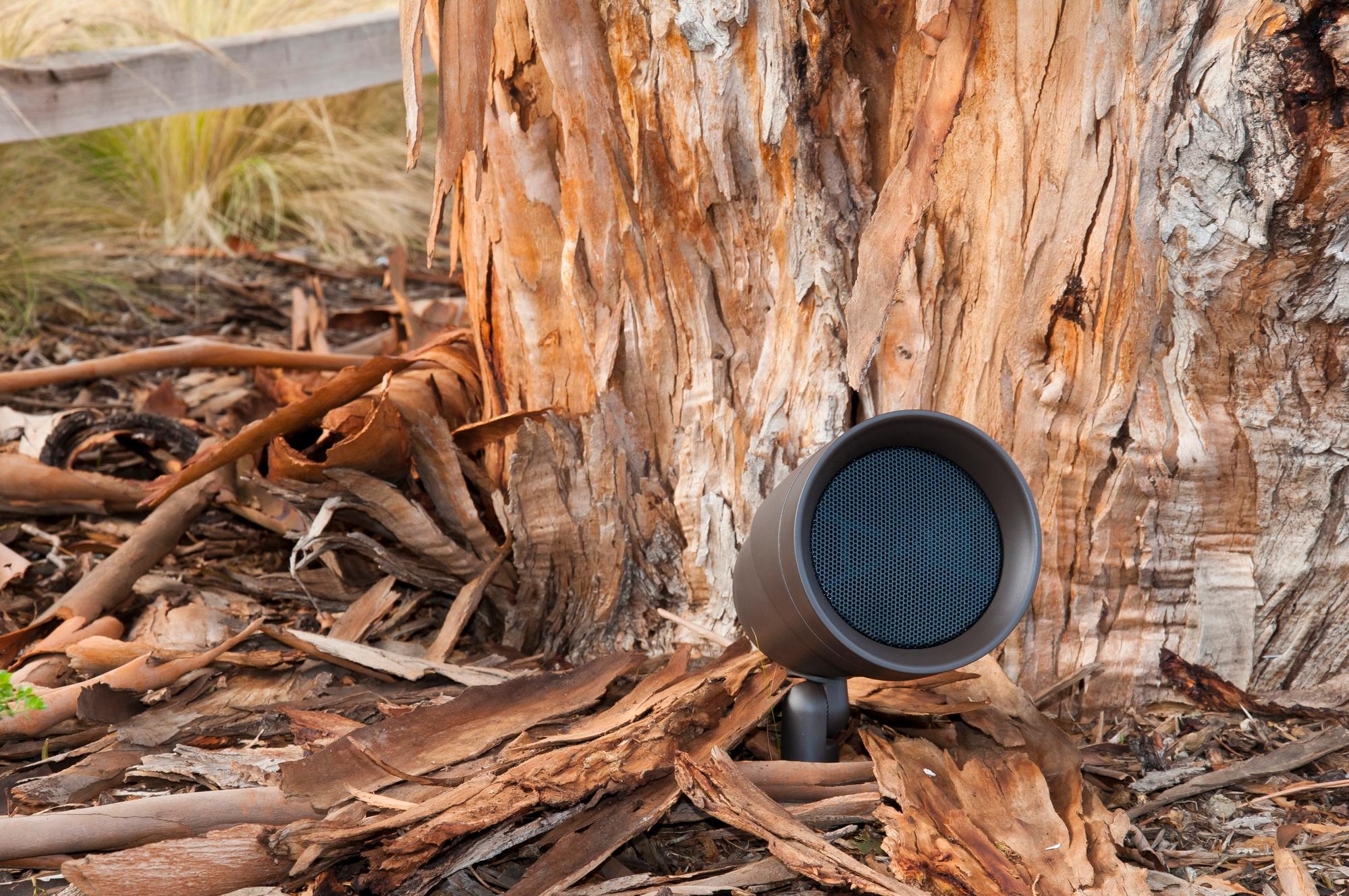
But other homeowners want to take the focus off the tech, and instead let audio disappear into the design. For that, we install hidden surround sound systems that conceal speakers behind the walls and ceilings. You'll still hear all sound frequencies in full clarity—you just won't see where it's coming from.


How Many Speakers Do I Need?
The number of speakers in your theater will depend on its size, the type of content you’ll be viewing or listening to, and your preference for immersion and depth. For example, if you love bass-heavy music and action-packed films, you may want an additional subwoofer. If total immersion is your goal, upward-firing Dolby Atmos speakers place you in a virtual dome of sound.
There are dozens of speaker combination possibilities. The simplest setups typically include at least five speakers: a center channel speaker, left and right front speakers, two rear speakers, and a subwoofer. For more immersion, we add speakers at ear-level midway through the theater, additional subwoofers, and Dolby Atmos speakers for dynamic sound that moves about the room.
- Center Channel Speaker: Responsible for most dialogue, the center channel speaker is the star of your home theater. It should ideally be mounted below or behind your projection screen.
- Front Left & Right Speakers: A pair of speakers flank the screen and center speaker, and typically deliver most of the music, sound effects, and main stereo soundstage.
- Surround/Side Speakers: Positioned at ear level beside the audience, this pair of speakers provides most ambient and directional sound effects, making you feel like you’re in the middle of the action.
- Rear Speakers: Also responsible for sound effects and movement, delivering sound from behind the listener.
- Subwoofer: Reproduces low frequencies and deep bass that other speakers can’t reach. The subwoofer delivers rumbles, explosions, and the impactful ‘feel’ to most soundtracks and sound effects.
- Dolby Atmos: Upward-firing speakers add vertical height to the soundscape, creating a ‘dome’ of sound around the audience.


Elements of a Surround Sound System
Every piece of AV hardware has its own characteristics and strengths. Some speakers are better for the rock music lover, while others may work better with a particular receiver. We'll help you source the right gear for your needs and create a holistic experience that looks and sounds extraordinary.


Craftsmanship

Customization
Make it Your Own

Design Flexibility
You don't have to work around your theater seating. We design theater seating to work around you, your space, and how you'll use it. Modular seating options make it easy to adjust the room for social gatherings, whether you're playing games or hosting an awards show viewing party.

Upholstery and FInishes
Choose from leather, velvet, suede, mohair, chenille, and more. We'll advise you and your interior designer on fabrics and materials that can influence picture quality and sound (for instance, white fabrics may reflect the screen, while velvet absorbs sound).

Storage Solutions
Discreetly store blankets, Blu-rays, coasters, or any other accessories you may have in your home theater. Storage footrests and ottomans make it easy to keep the room organized and tidy without requiring extra furniture.

Motorization

Tray Tables

Nearly Endless Options

Sound Absorption: Eliminating Echo
To prevent sound from bouncing off hard surfaces and creating a "muddy" audio profile, we utilize high-density acoustic panels.
- Primary Reflection Points: Placed on side walls to stop initial sound waves from interfering with the direct audio from your speakers.
- Materials: Breathable, designer fabrics that complement your seating.

Diffusion: Creating a Wraparound Soundstage
While absorption stops echoes, diffusers scatter sound energy. This prevents the room from sounding "dead" quiet and makes the space sound much larger than it actually is.
- Strategic Placement: Typically installed on the rear wall behind the seating rows to create an immersive, 360-degree environment.
- Design: Available in wood or composite finishes to match your theater’s millwork.

Low-Frequency Control: Bass Traps
Deep bass can often "pool" in corners, leading to a boomy or distorted sound.
- Corner Treatment: Specialized bass traps are tucked into the corners of the room to soak up long-wavelength low frequencies.
- The Result: Tight, punchy bass that you feel in your chest (and your chair) without the rattle.
Visual Engineering
Every home theater has unique dimensions, lighting conditions, viewing distances, and seating layouts. To create a truly cinematic image, we design the entire visual system around your room.

Display Options
Whether you are designing a dedicated "black box" theater or a multi-purpose media room, we match the display technology to your specific environment.
-
Laser Projection: Experience the organic, film-like texture and soft reflected light favored by cinematic purists.
-
Micro-LED Video Walls: High-impact, modular displays that deliver sun-defying brightness and infinite contrast, perfect for rooms with windows.
-
Scale & Aspect Ratio: We offer custom-sized solutions, including 2.40:1 Cinemascope, to ensure your favorite films fill the entire screen without black bars.

Screen Materials
The screen is just as vital as the projector. Our specialized surfaces are designed to enhance every pixel and interact perfectly with your room's acoustics.
- Acoustically Transparent: High-tech weaves that allow sound to pass through flawlessly, letting you hide your front speakers directly behind the image.
- Ambient Light Rejection (ALR): Optical coatings that "absorb" stray light from lamps or windows while reflecting only the projector's light back to your eyes.
- High-Gain Finishes: Specialized layers that boost brightness for 3D content or High Dynamic Range (HDR) punch, so colors appear vibrant in any setting.

Optics & Precision
True cinematic immersion is found in the details. We utilize professional-grade hardware to make visuals sharp, accurate, and fluid.
- Anamorphic Lens Kits: Motorized optics that slide in front of the projector to automatically expand the image for a true widescreen theater experience.
- High-Bitrate Processing: Professional video scaling that cleans up lower-resolution content and upscales it to 4K or 8K standards.
- ISF Calibration:Expert color tuning matches skin tones, shadows, and highlights to the "Director's Intent" exactly as it was mastered in the studio.

Atmosphere & Light
Visual performance is only as good as the room it’s in. We manage the surrounding environment to maximize your screen's perceived contrast.
- Motorized Blackout Shades: Side-channel tracks prevent light leakage, turning a bright living room into a pitch-black cinema in seconds.
- Anti-Reflective Treatments: We advise on and integrate materials that prevent screen light from bouncing off walls, which can wash out deep black levels.
- Architectural Integration: Motorized lifts and "Art Mode" video walls allow high-end technology to disappear into the décor when not in use.

Smart Sequencing
Your home theater should be a sanctuary of relaxation, not a technical chore. We sync your visuals with the rest of your home’s intelligence.
- The "Movie" Scene: With one tap, the screen lowers, the projector fires up, the shades drop, and the lights dim to 10% in perfect harmony.
- Automatic Masking: Smart software detects the format of your movie and automatically adjusts the physical borders of the screen for a perfect fit.
- System Monitoring:Our integrated systems can self-diagnose if something goes wrong, alerting us if a component needs maintenance before it ever affects your movie night.